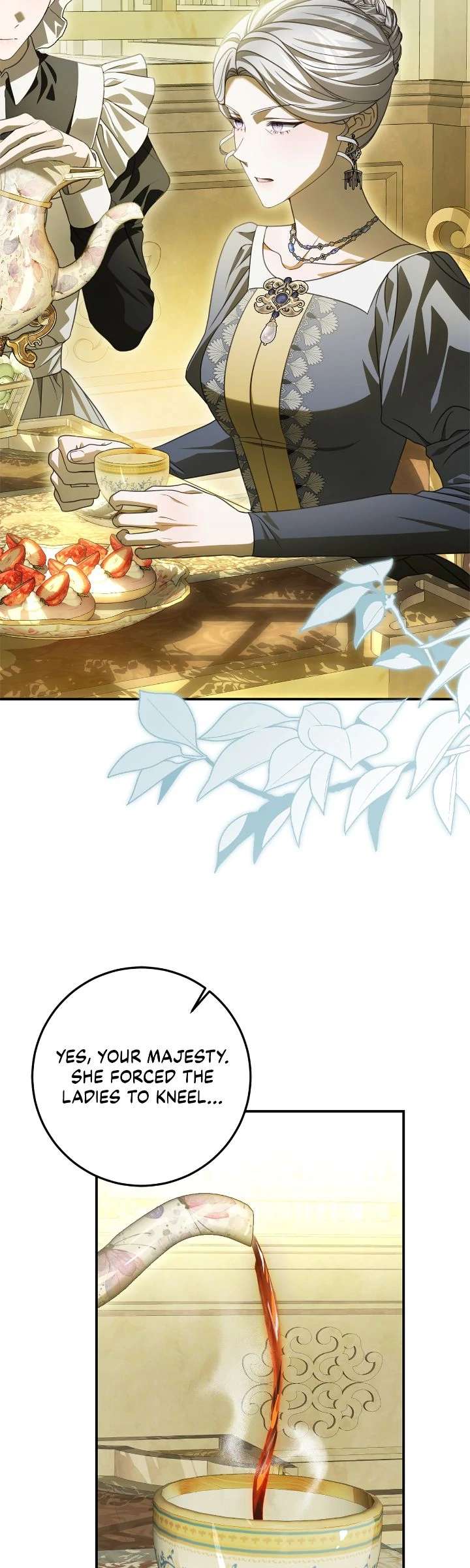
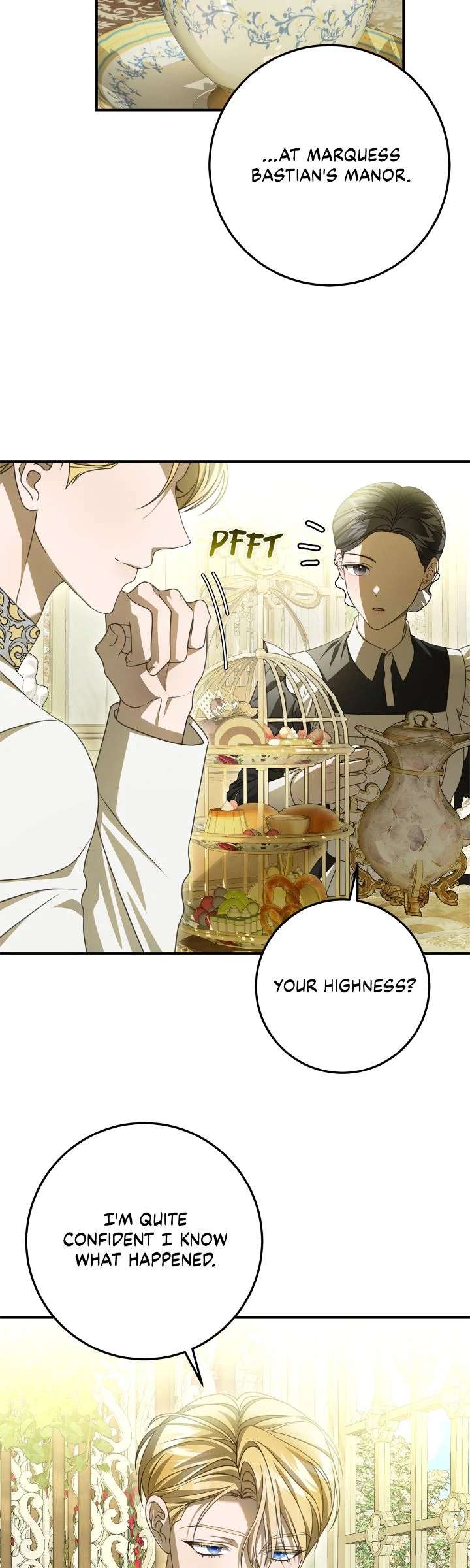
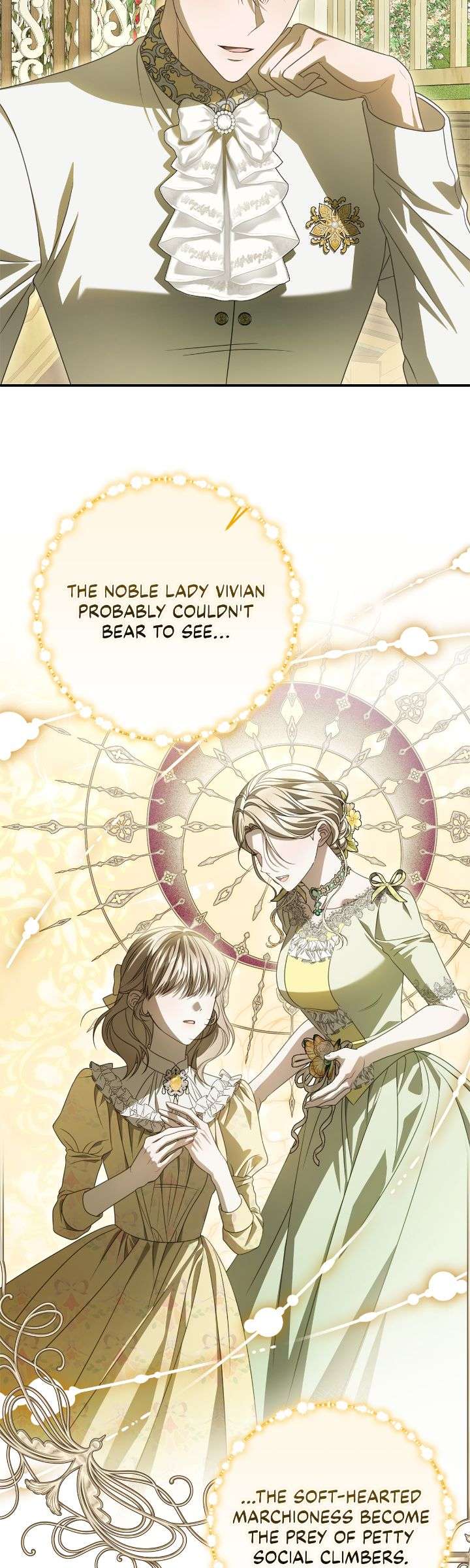
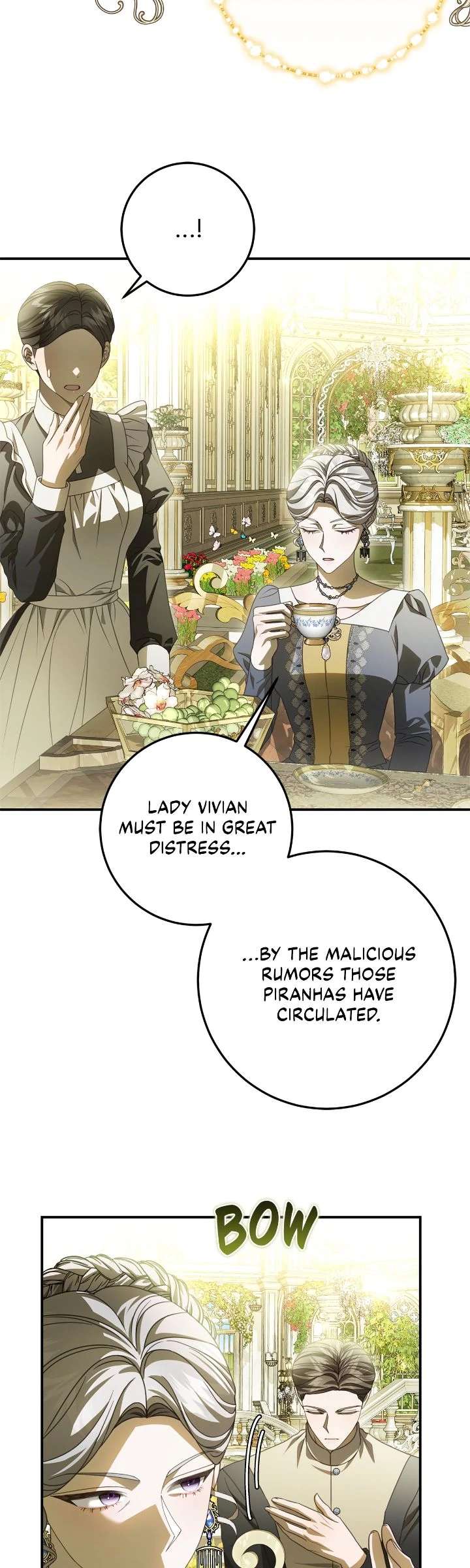
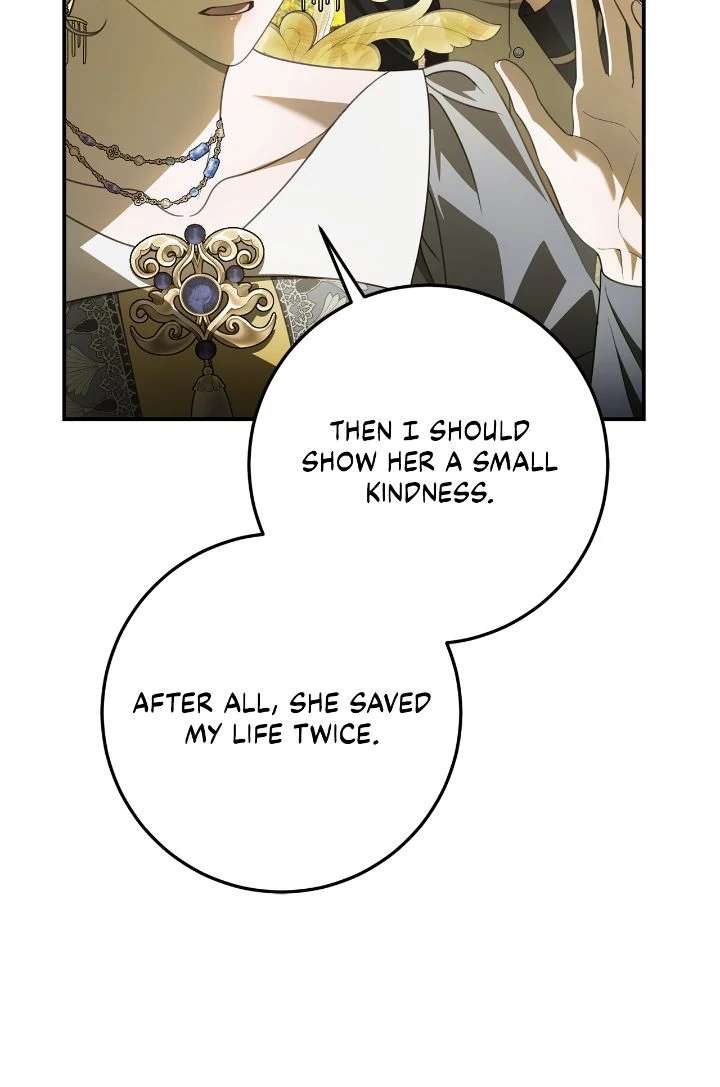
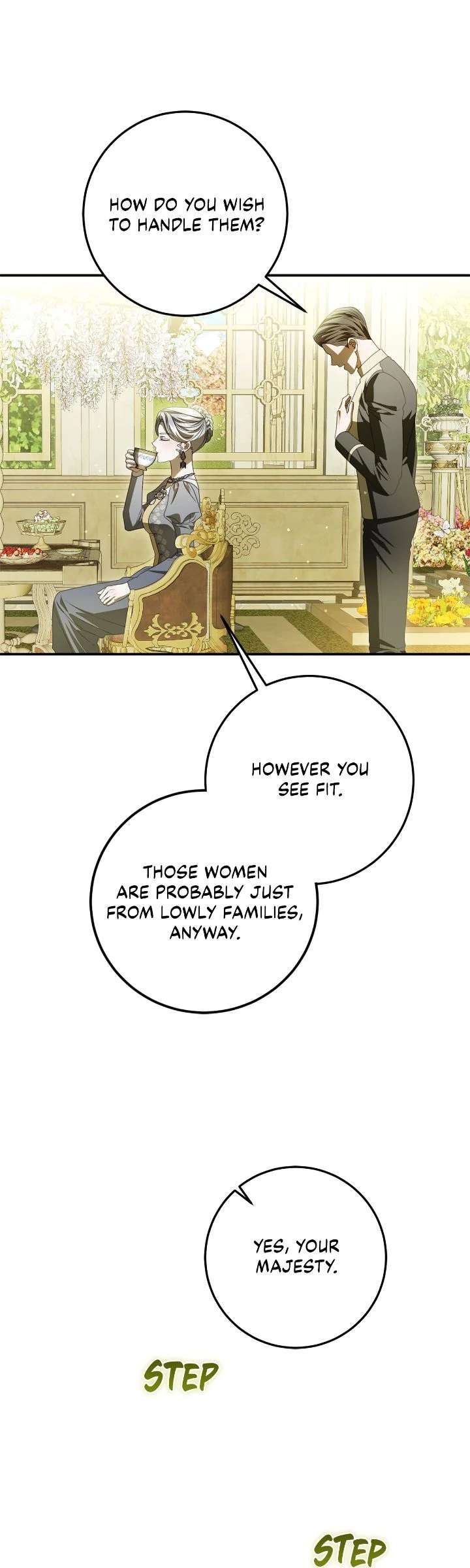
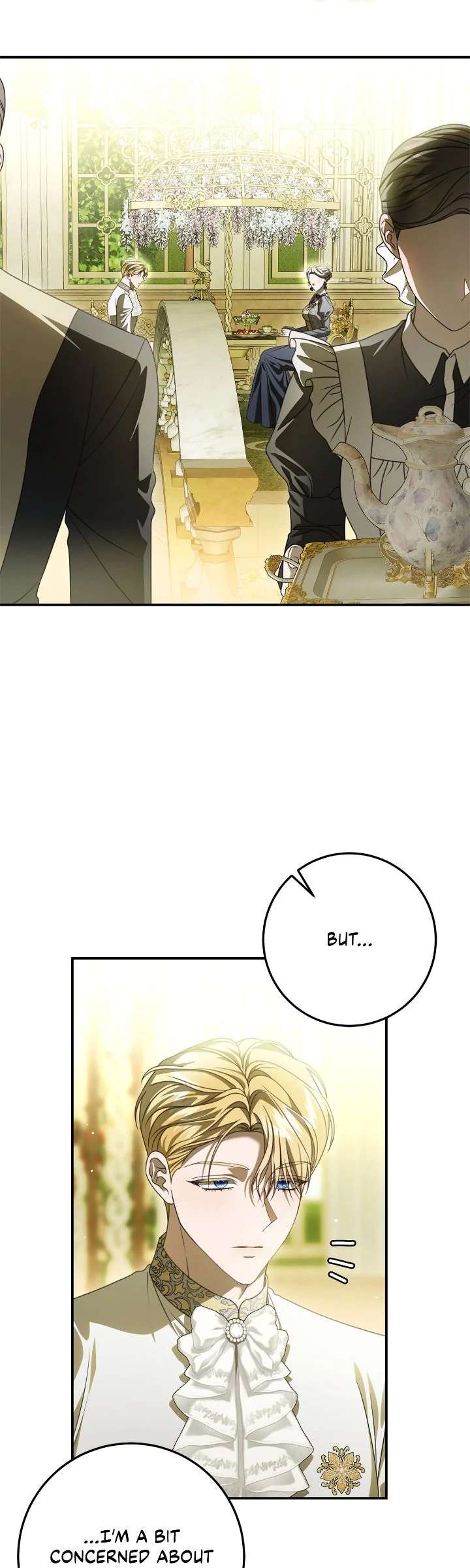
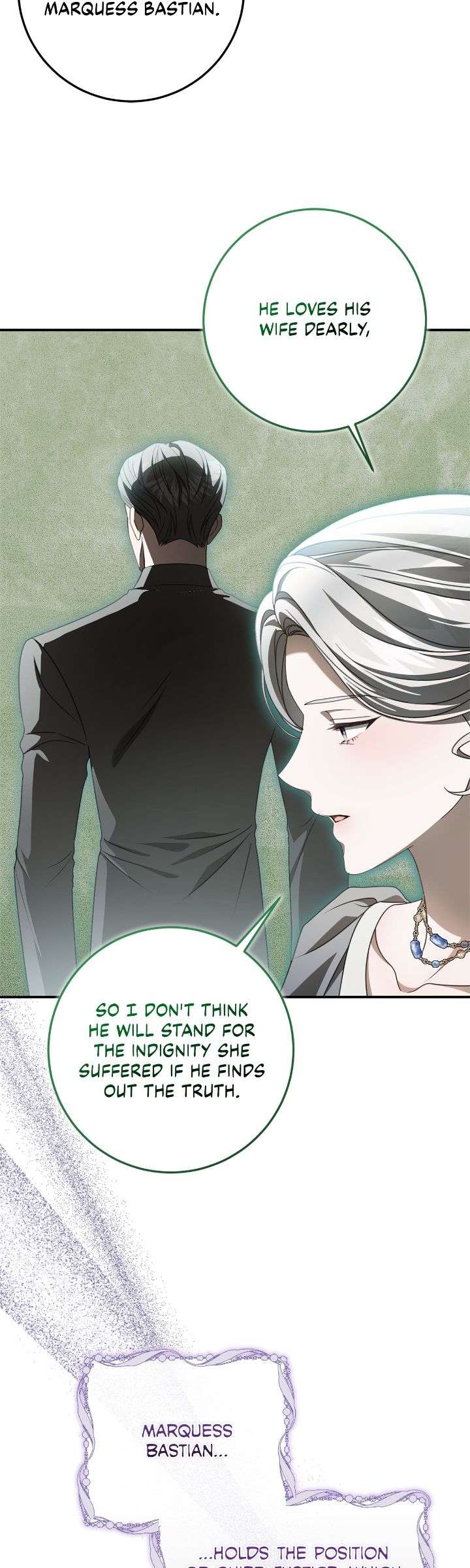
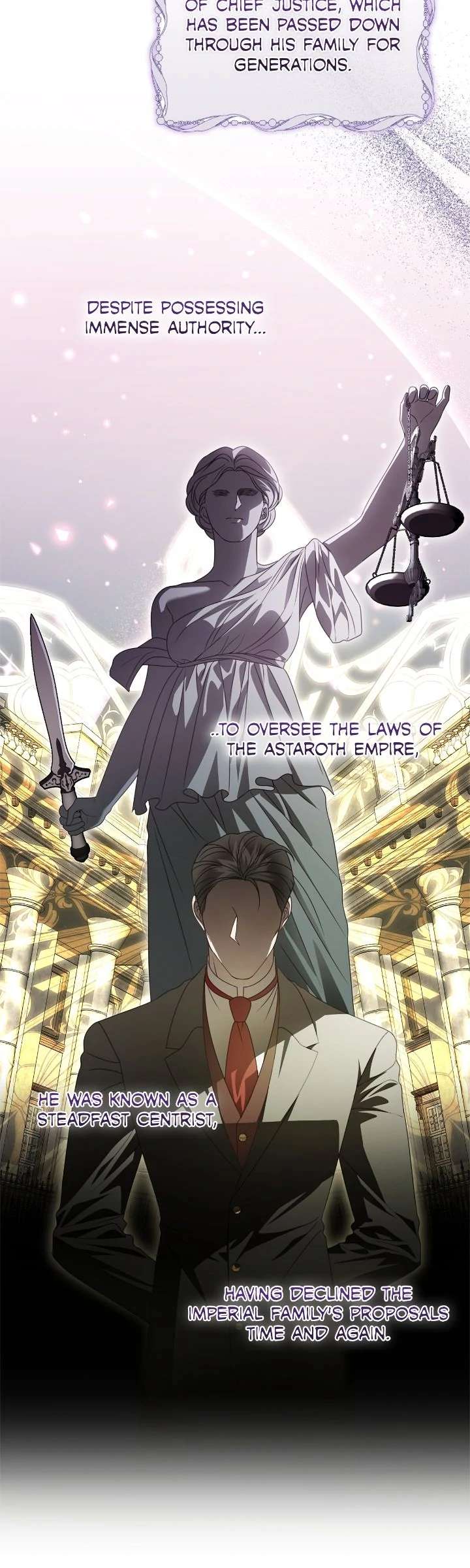
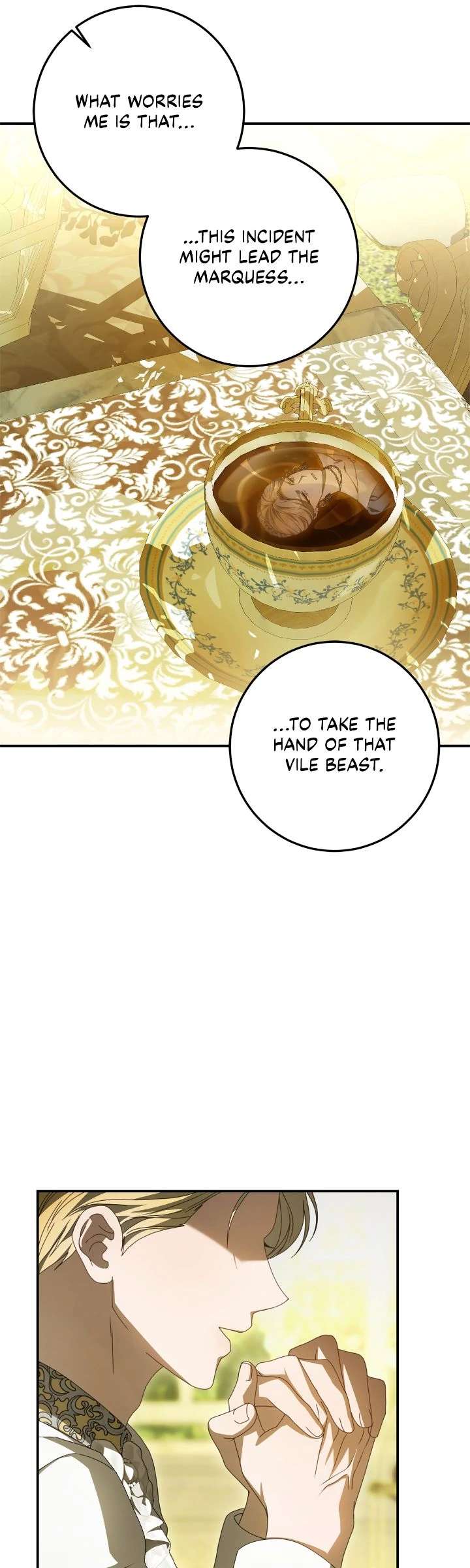
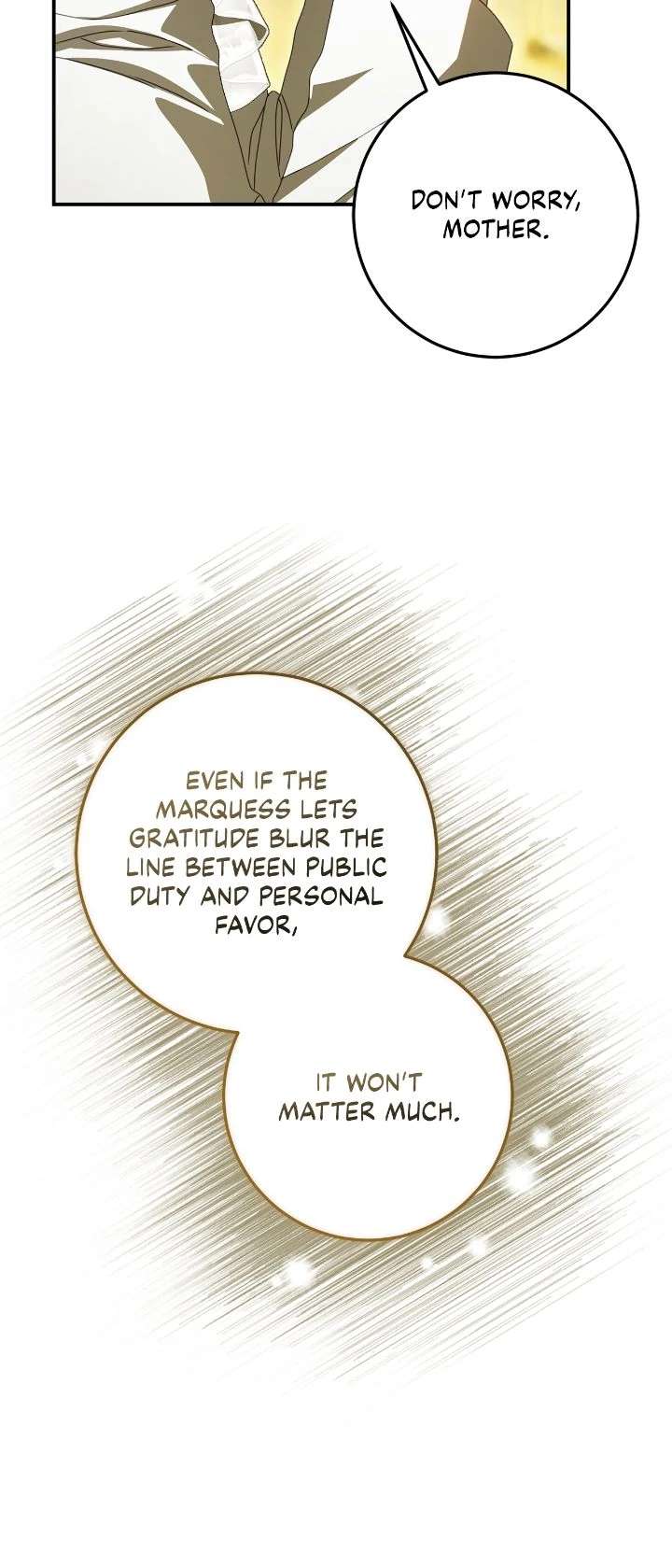
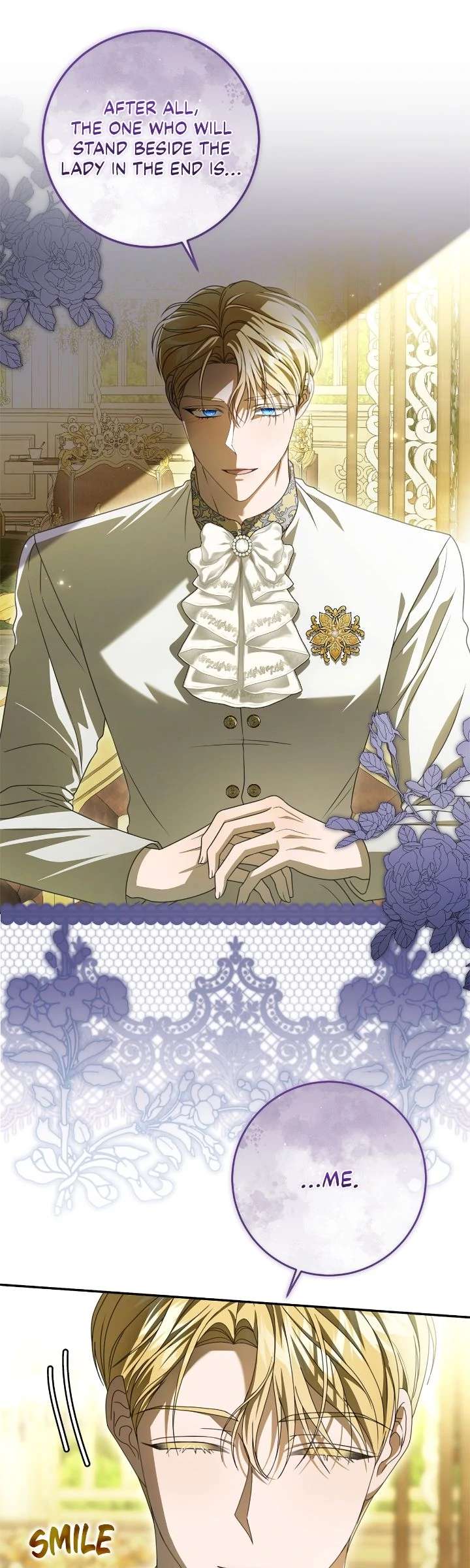
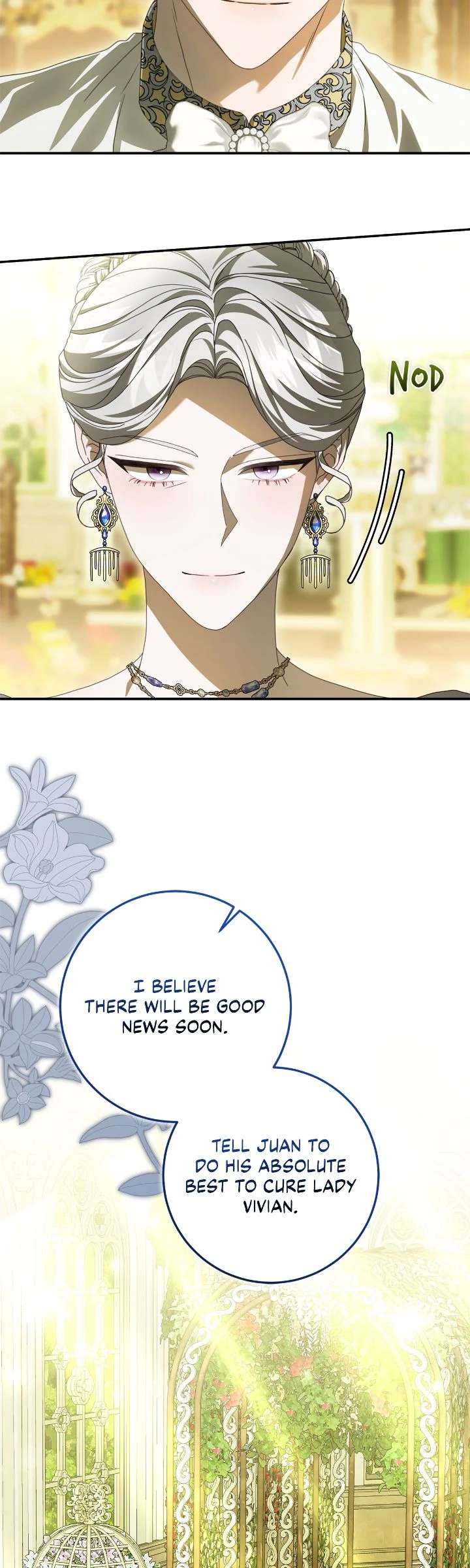
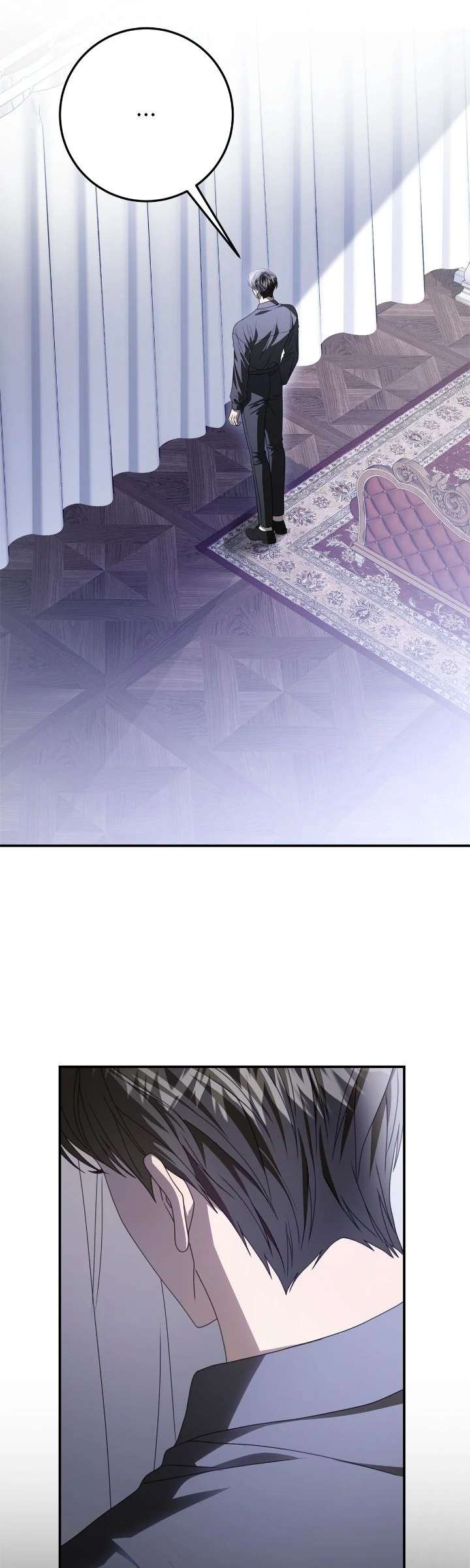
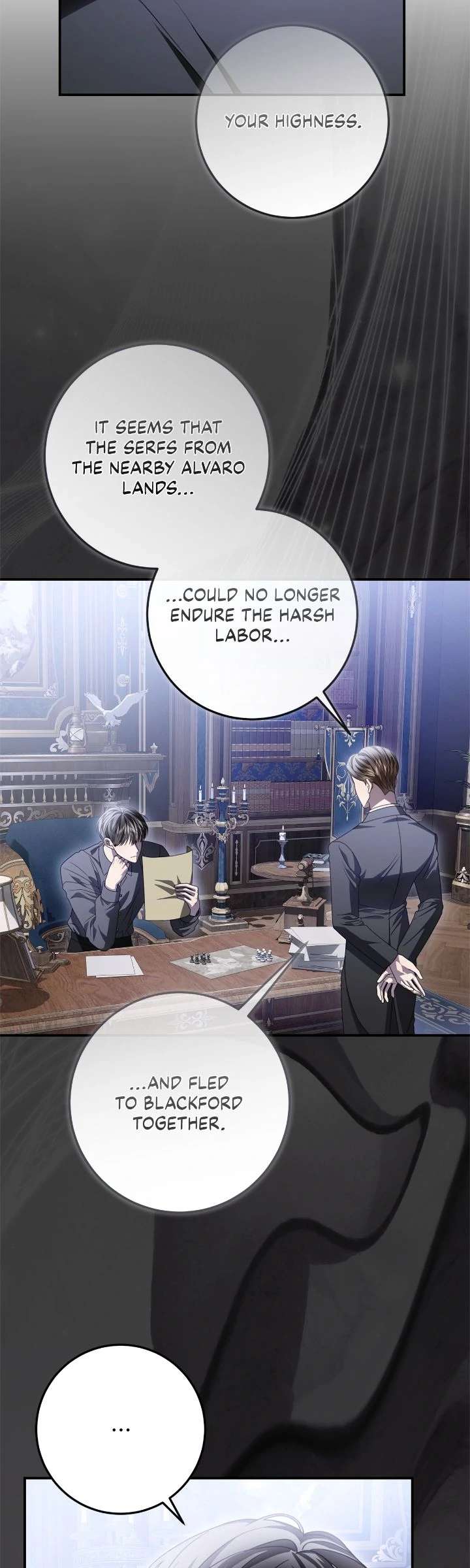
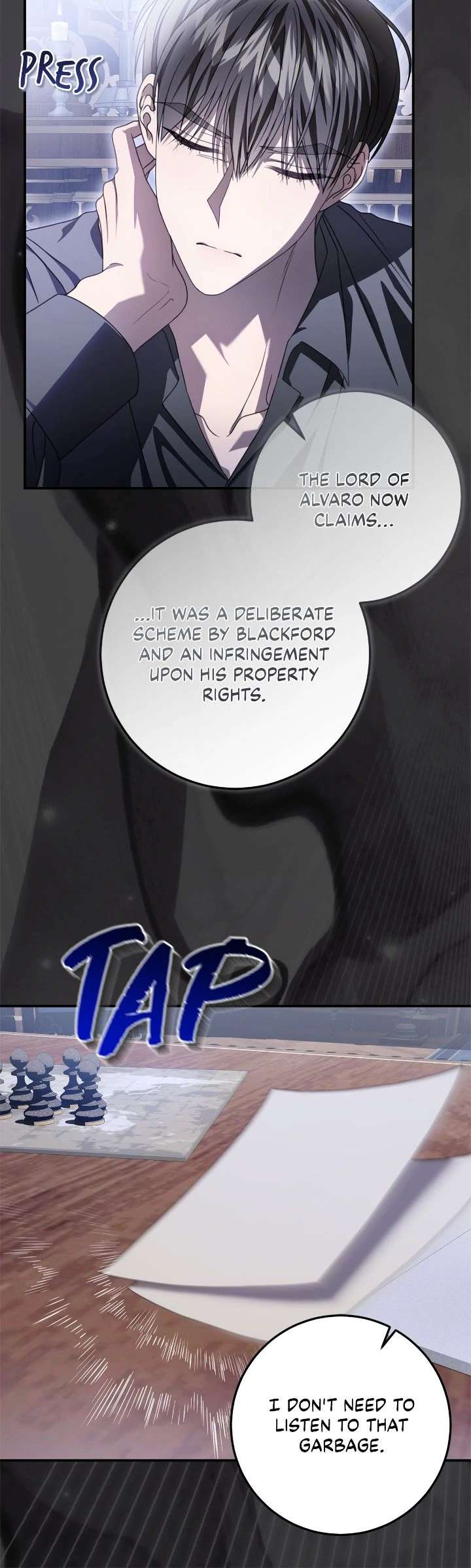
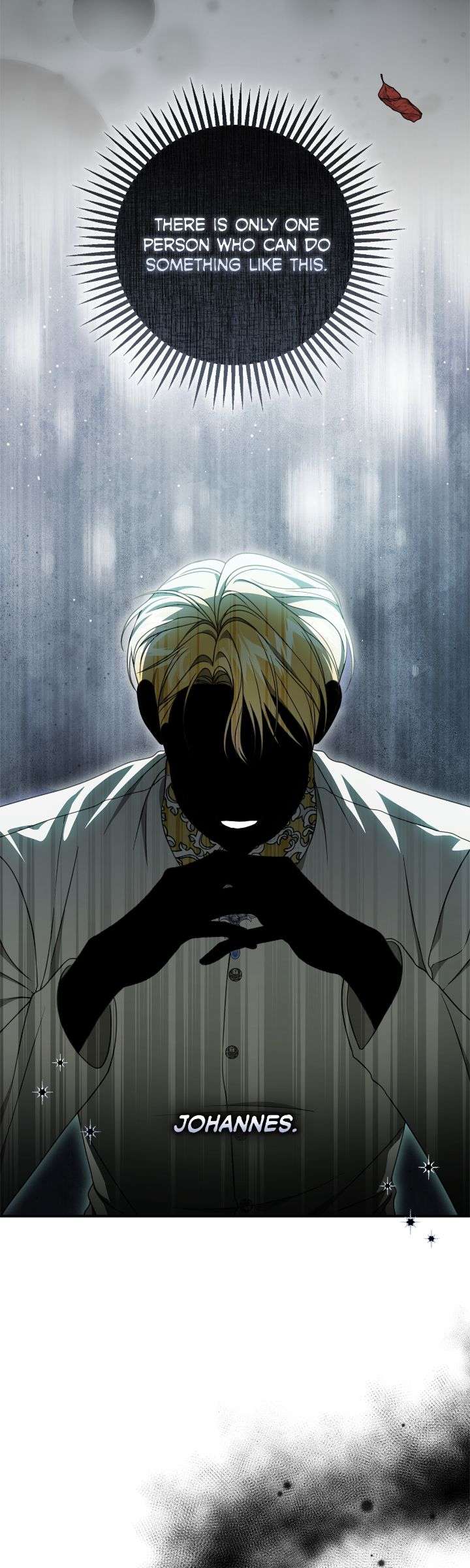
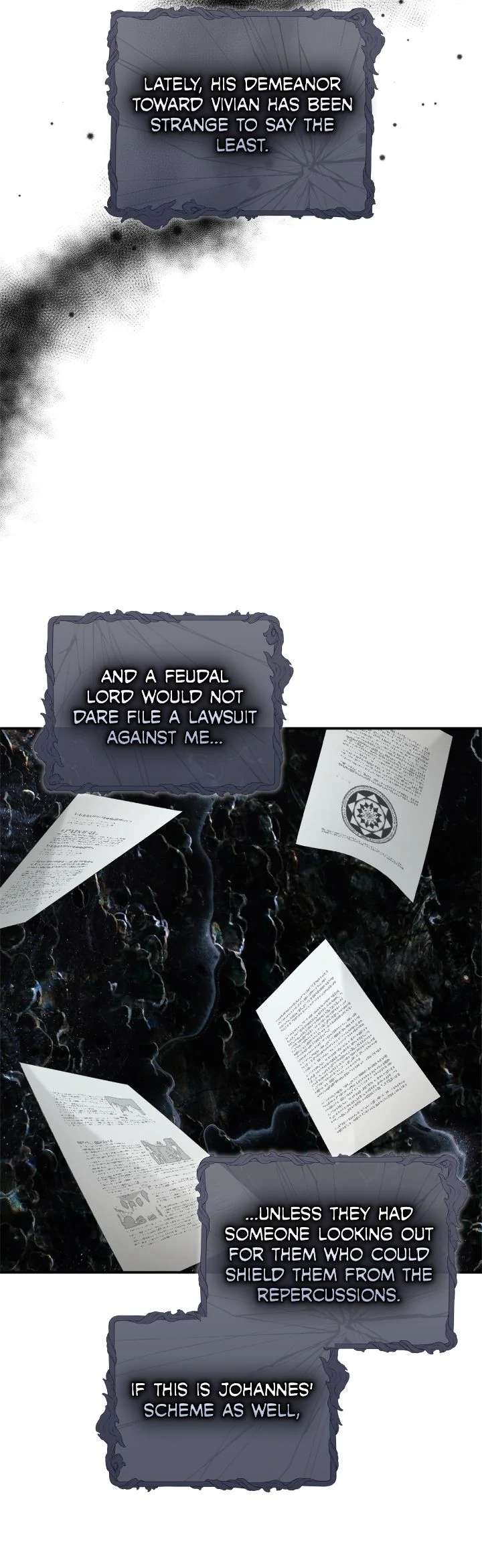
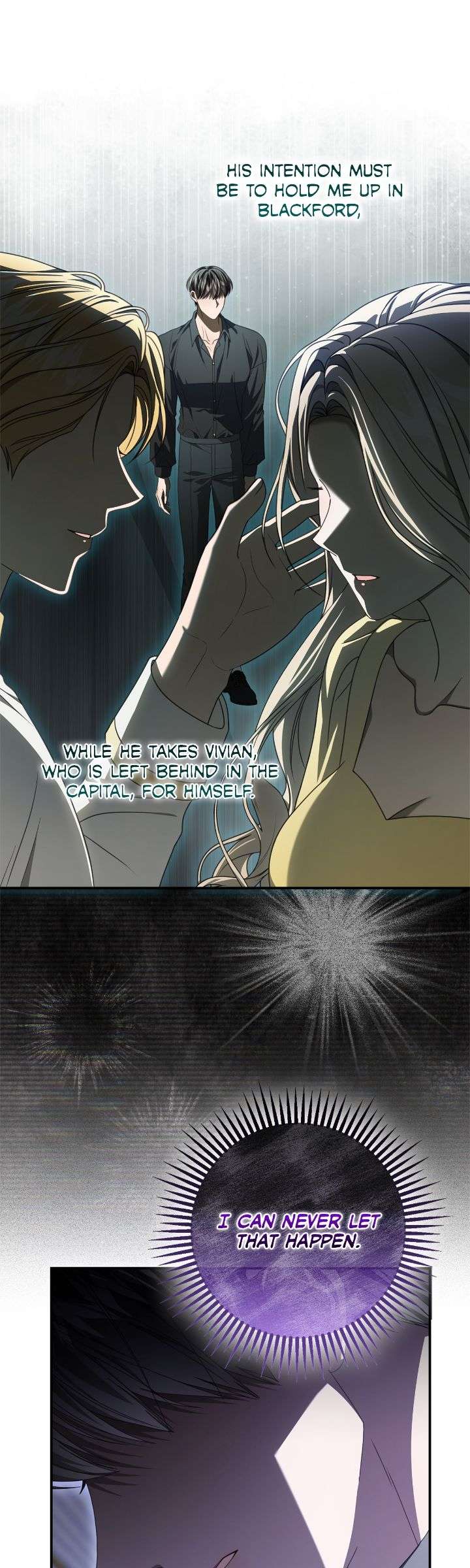
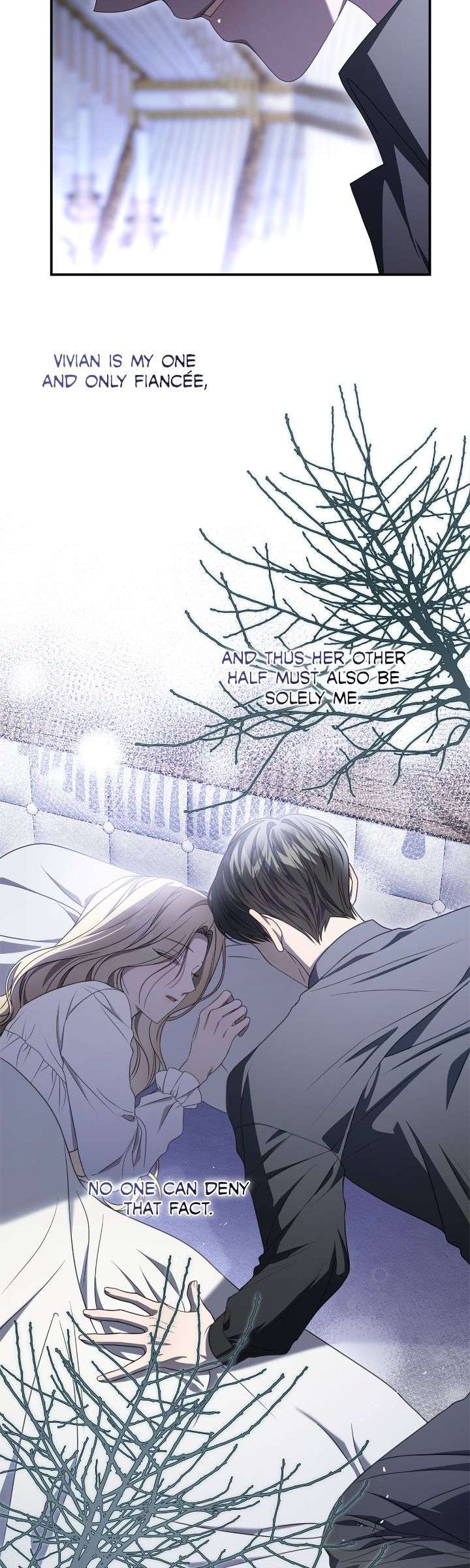
I like that we also see how the allies of the lead character as well as the adversaries are planning their strategies and coming to conclusions by themselves.
And I like that they too do not always guess correctly and that their plans also have faults and openings!
Because if it’s a story where we only get to see the trials and errors of the lead character, only get to “hear” (read) their thoughts alone, then this can make the lead character look “dumb” in a way, even though to err is just human (and who would want an always perfect “Mary Sue”-character anyways?).
Seeing that others also make mistakes, especially male allies who don’t just act rightfully all the time and don’t know everything about other people either (despite often being way too powerful and having their own intelligence groups), makes things more relatable and fair.







Eveaustria
I like that we also see how the allies of the lead character as well as the adversaries are planning their strategies and coming to conclusions by themselves.
And I like that they too do not always guess correctly and that their plans also have faults and openings!
Because if it’s a story where we only get to see the trials and errors of the lead character, only get to “hear” (read) their thoughts alone, then this can make the lead character look “dumb” in a way, even though to err is just human (and who would want an always perfect “Mary Sue”-character anyways?).
Seeing that others also make mistakes, especially male allies who don’t just act rightfully all the time and don’t know everything about other people either (despite often being way too powerful and having their own intelligence groups), makes things more relatable and fair.